For most of the 2000s, ordering a manual gearbox in a new supercar meant turning down the technology manufacturers were adopting across their model ranges: Ferrari’s F1 transmission, Lamborghini’s E-gear, Aston Martin’s Touchtronic 2. Customers moved towards paddle-operated gearboxes because they shifted faster and reflected where the engineering was heading.
Nobody built these cars as limited editions with manual versions reserved for collectors. The scarcity was a side effect of customers choosing the paddle-shift option in far greater numbers, to the point that manuals typically account for somewhere between 5 and 10 percent of total production on the models covered here. That gap explains why certain manual supercars now trade at a premium. It also provides the context for a very different approach today, with manufacturers such as Ferrari deliberately restricting supply of models such as the 12Cilindri Manuale.
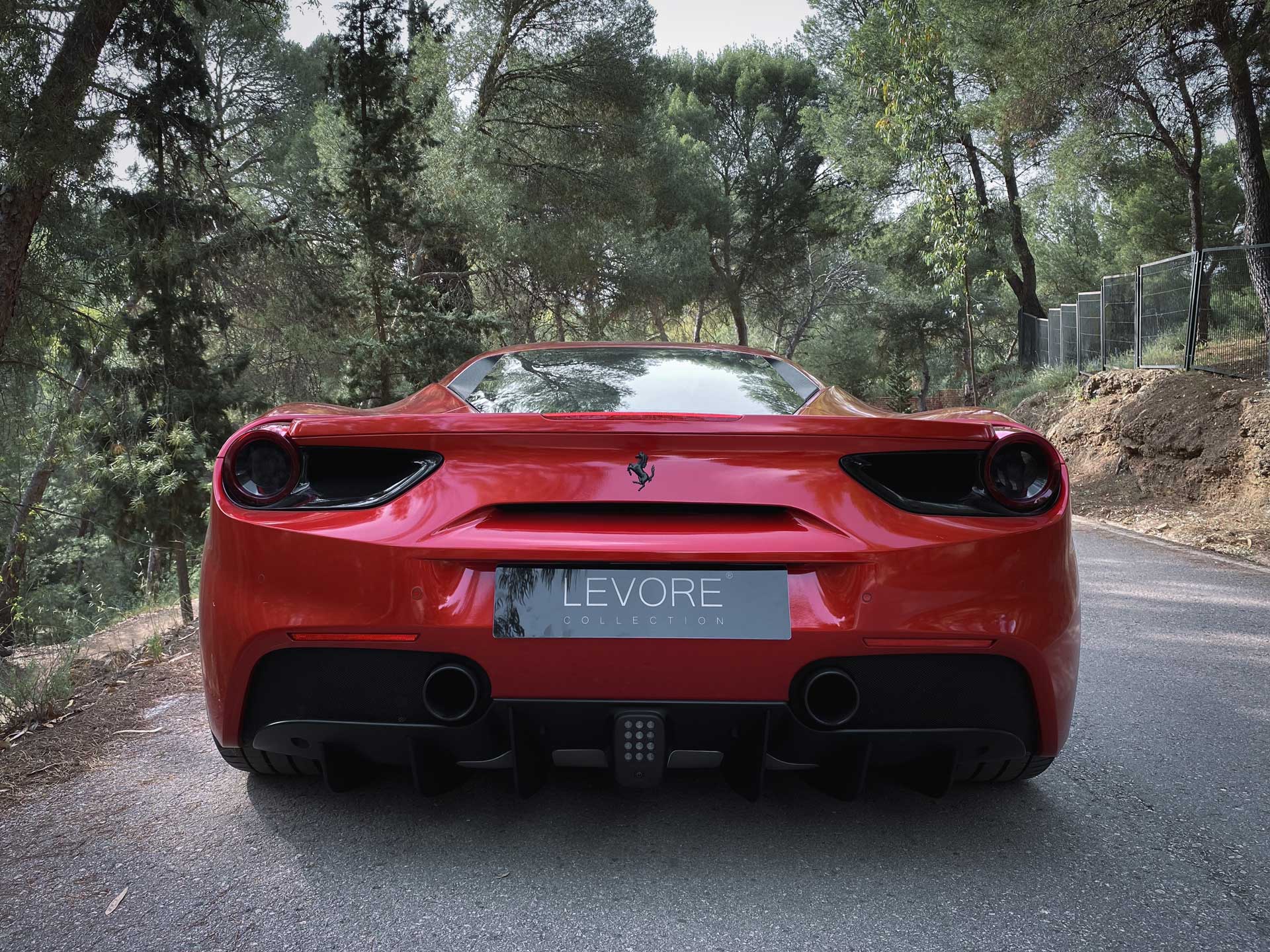
Ferrari F430
The Ferrari F430 is a relevant starting point. Introduced in 2004, it could be ordered with a conventional six-speed manual and Ferrari’s exposed metal gate, or with the F1 automated gearbox. Most clients chose F1. Independent Ferrari factory data lists 8,539 F430 coupés, of which 542 were manual, and 583 manuals among 8,087 Spiders.
The same pattern runs through Ferrari’s range from that period. Records identify 246 manual 575M Maranellos out of 2,078 built, and 199 manual 612 Scagliettis out of 3,025. By the 599 GTB, only a small number of manuals left the factory at all.
The F430 also carries a specific distinction. It was the last series-production mid-engined Ferrari offered with a conventional manual gearbox. Every mid-engined V8 Ferrari since has come exclusively with a paddle-shift transmission, first F1, then dual-clutch from the 458 Italia onward.

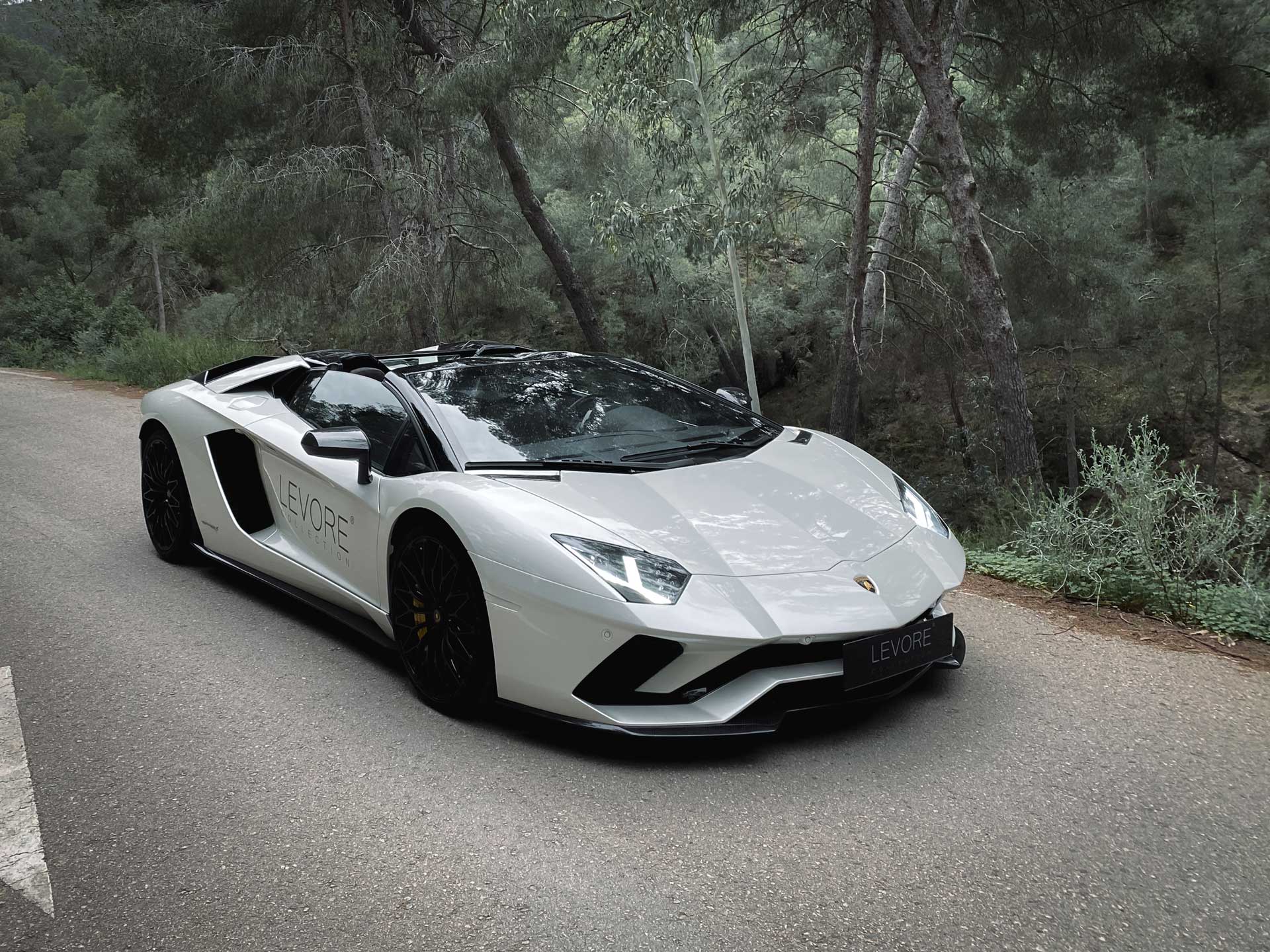
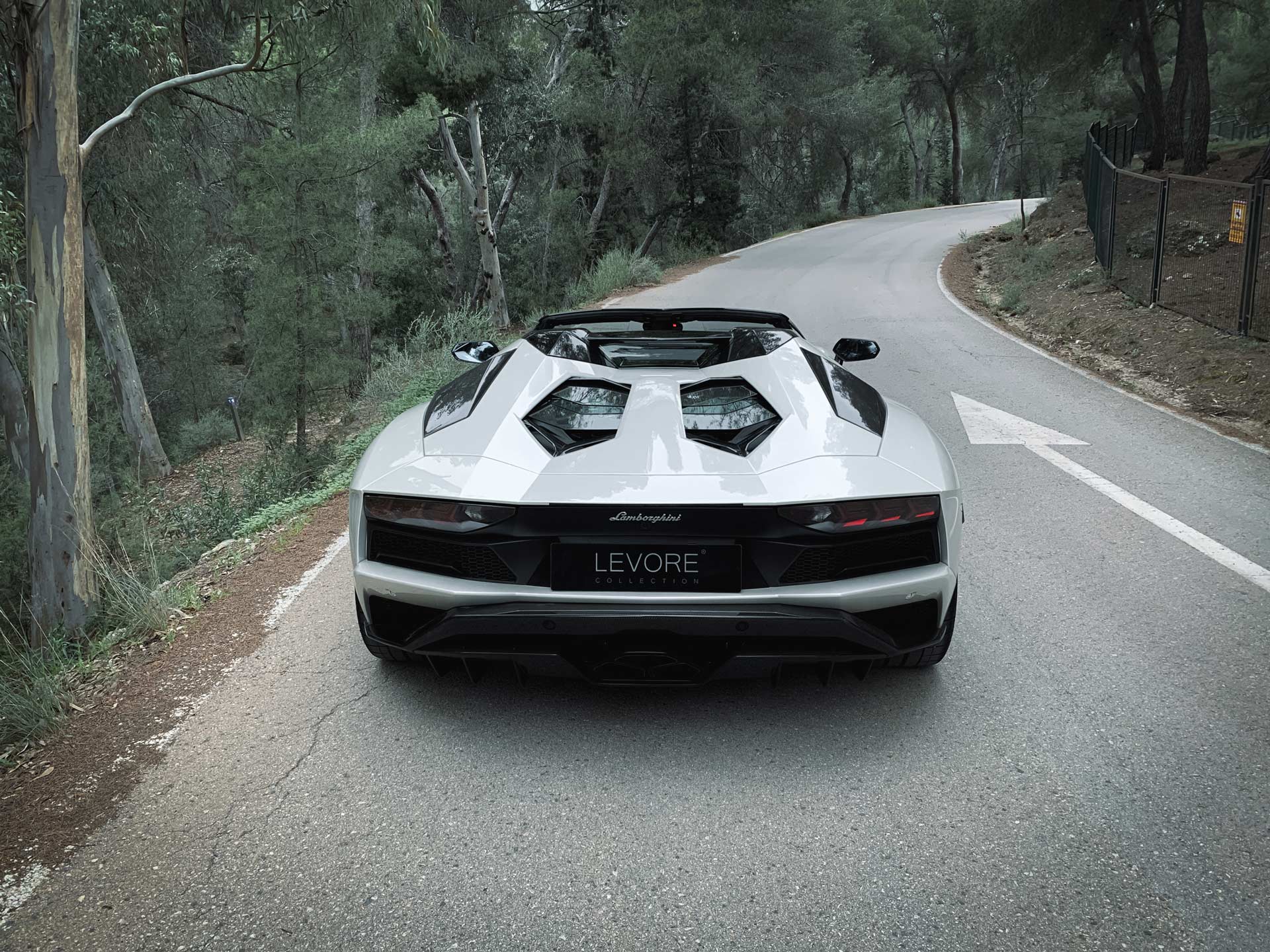
Lamborghini Gallardo
Lamborghini followed the same trajectory. Introduced in 2003, the Gallardo was available with either a six-speed gated manual or the E-gear automated gearbox, with the latter accounting for the majority of sales during its ten-year production run.
The Gallardo is the last Lamborghini offered with three pedals. When production ended in 2013, the Huracán replaced it without a manual option, and no V10 or V12 Lamborghini since has offered one either. That makes the Gallardo the only way to get a naturally aspirated Lamborghini V10 paired with a clutch pedal and an exposed shift gate.
Aston Martin DBS Volante
The DBS shows the same shift happening outside Italian mid-engined cars. The Coupé launched with a six-speed manual before Touchtronic 2 arrived, but the Volante is the more telling case. Registry-based research identifies 845 DBS Volantes completed, of which only 44 came with the manual, and reportedly just ten went to mainland Europe.
By the time the Volante reached customers, Touchtronic 2 was already established and most buyers selected it. As with the F430, Aston Martin was not assembling an intentionally limited manual run. The production number was set by demand.

Porsche and the return of the manual
Porsche’s path runs in the opposite direction. When the 991.1-generation 911 GT3 arrived in 2013, it came exclusively with the seven-speed PDK dual-clutch gearbox, prioritising lap times over the manual gearboxes previous GT3 generations had offered.
Three years later, the 911 R paired a naturally aspirated 4.0-litre flat-six with a six-speed manual and a batch limited to 991 cars. Porsche then brought the manual back to the updated 991.2 GT3 alongside PDK, and later formalised it with the GT3 Touring package.
The manual has since expanded its place in Porsche’s range: it is currently offered on the Carrera T, the GT3, the GT3 Touring, the GT3 S/C, and, as of 2026, the Carrera S with the MT Package. The 718 Cayman and Boxster ended petrol-engined production in October 2025, and Porsche has not confirmed a manual option for their successors.
Porsche differs from the earlier examples because, by the 911 R, the manual gearbox had stopped being an option customers happened to avoid and become a deliberate way to define an enthusiast-focused model.

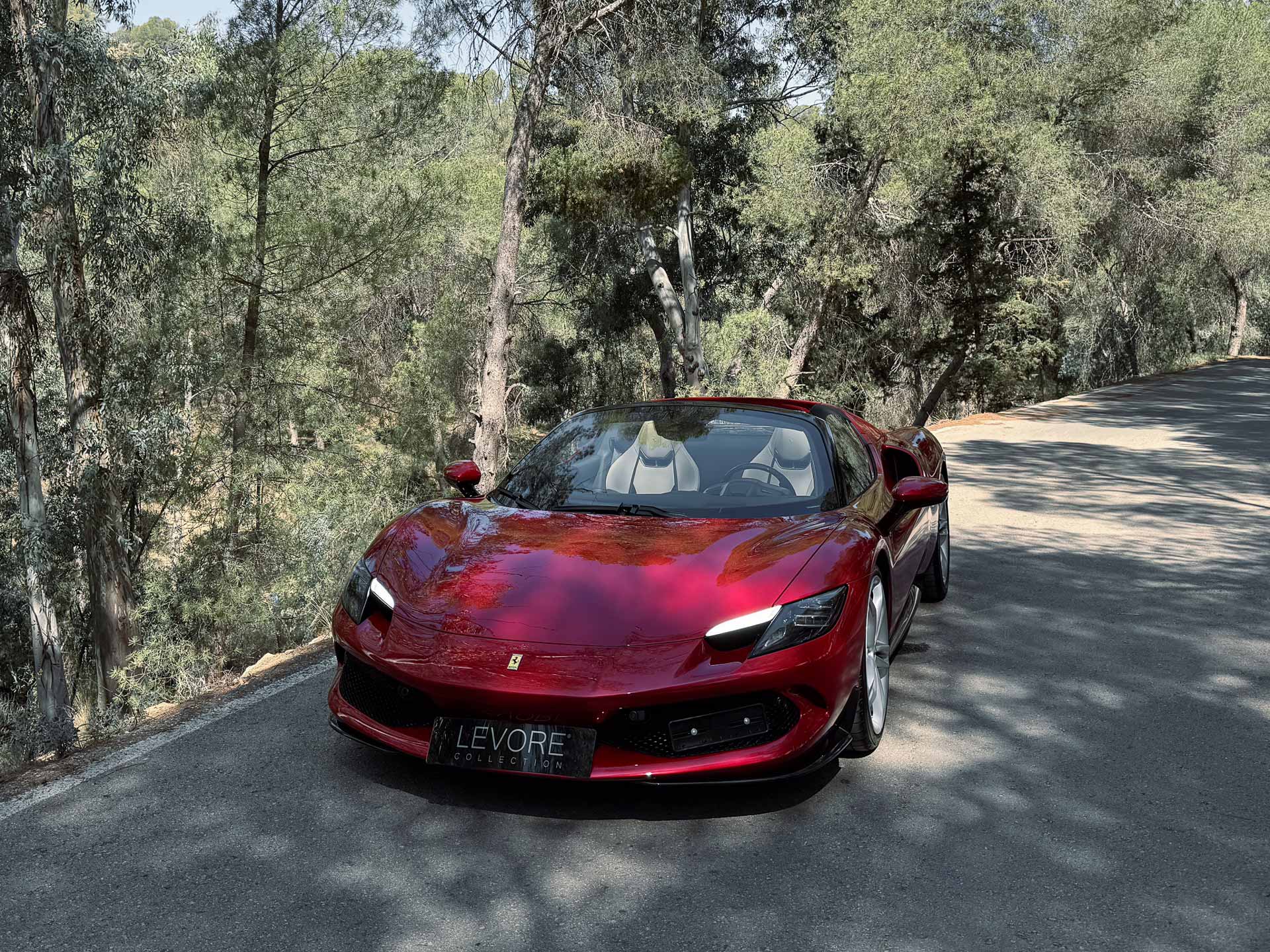
Ferrari 12Cilindri Manuale
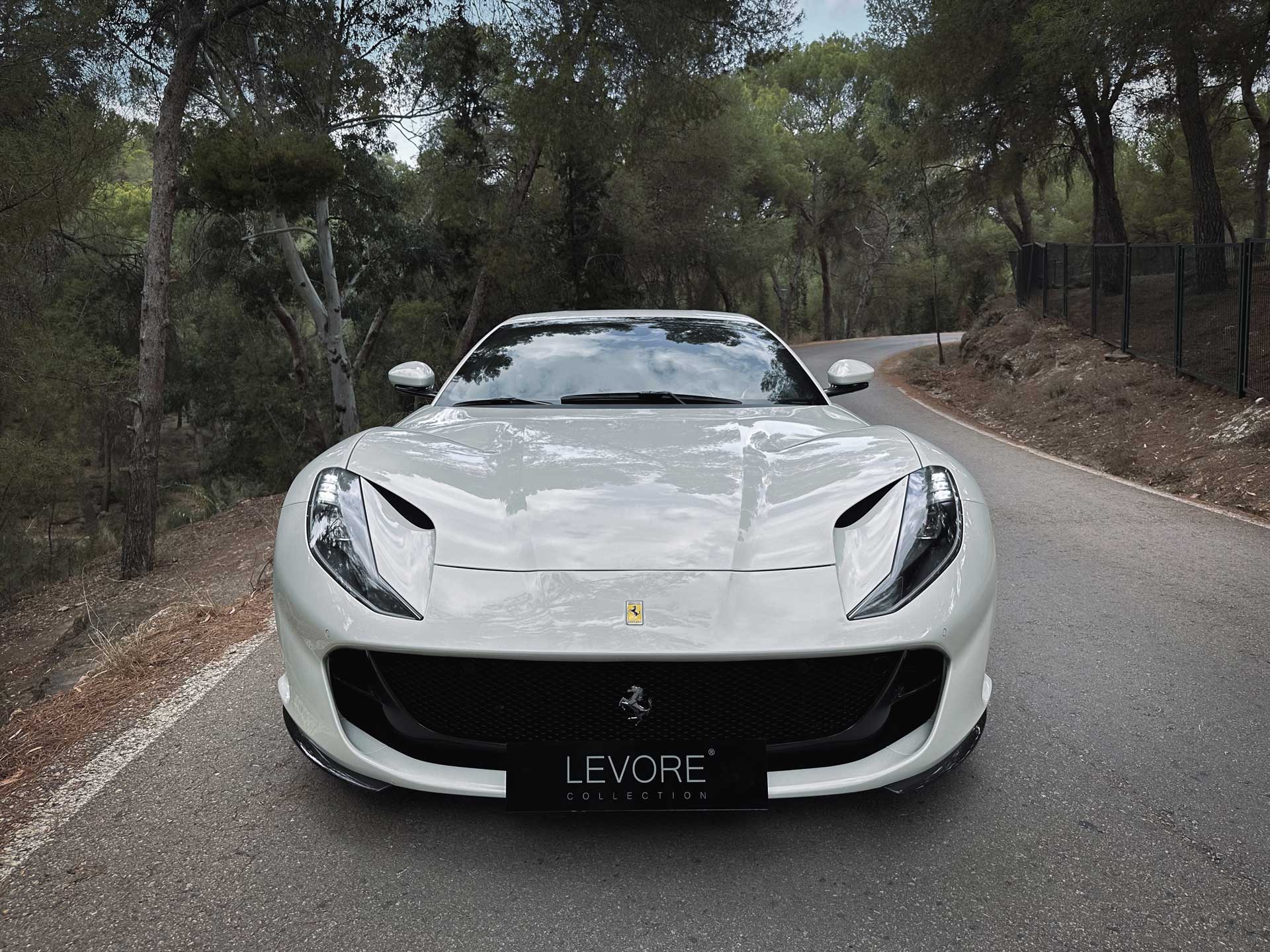
Ferrari unveiled the 12Cilindri Manuale in Maranello in July 2026. It pairs the standard 12Cilindri’s naturally aspirated V12, producing 830 CV and revving to 9,500 rpm, with a gated shift lever and a clutch pedal. The most notable detail is that neither connects mechanically to the gearbox. Ferrari calls the system Manuale by-wire. Sensors read clutch and lever inputs and translate them into commands for the same eight-speed dual-clutch transmission fitted to the standard car.
Enthusiasts and collectors kept asking for a manual long after the option disappeared from the rest of the range, and Ferrari answered with a strict limit on numbers and a significant premium over the standard version. The Italian brand is restricting the run to 1,499 examples, a number chosen to reference the 1.5-litre V12 that powered the first Ferrari road car in 1947.
This is a different kind of rarity from the F430, Gallardo and DBS Volante. Those cars became scarce because buyers had a manual option available and chose the automatic transmission instead. What that means for the long-term value of the 12Cilindri Manuale is not yet settled and depends partly on whether Ferrari introduces further manual by-wire models in the future.

Final words
Low volume alone does not create collector demand. The vehicles featured here combine limited availability with historical significance and a genuinely different driving experience, one that requires the driver to manage clutch and engine speed rather than let the gearbox do it.
Original specification carries weight as well. Rising values have led to manual conversions of cars built with F1 or E-gear gearboxes from the factory. A converted car can replicate much of the mechanical experience, but it is not the same as a car assembled that way from new, and documentation should confirm its original specification. Provenance, condition, service history and kilometres remain relevant alongside the transmission itself.
These vehicles rarely surface on public portals. Access to Ferrari limited editions is typically managed through the brand’s own client channels, while opportunities on the secondary market often remain private. Sourcing the right example requires established connections within the industry. If you would like to explore your options, contact our team for a bespoke consultation.